Inked Parchment Vol. 1 | Collection: A Textured Foundation for Creative Design
The Unique Character of Inked Parchment Vol. 1 | Collection
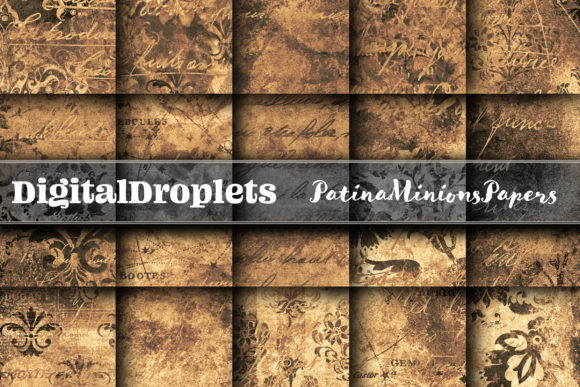
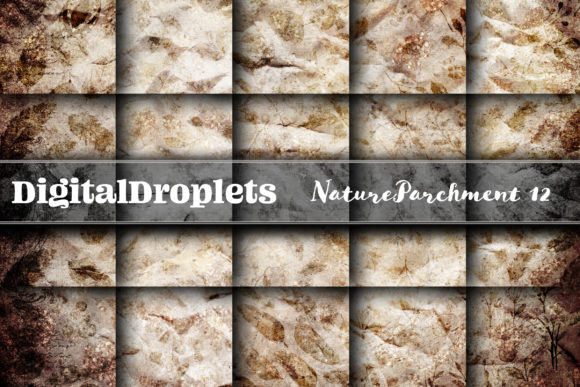
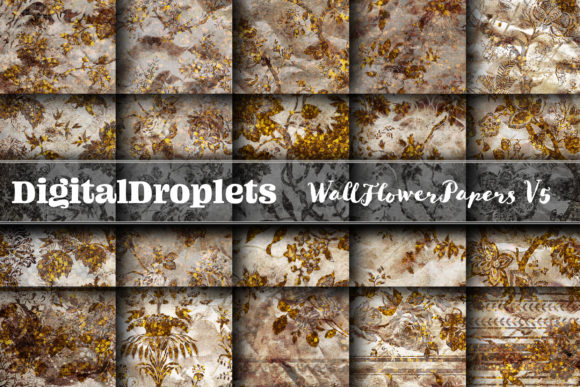
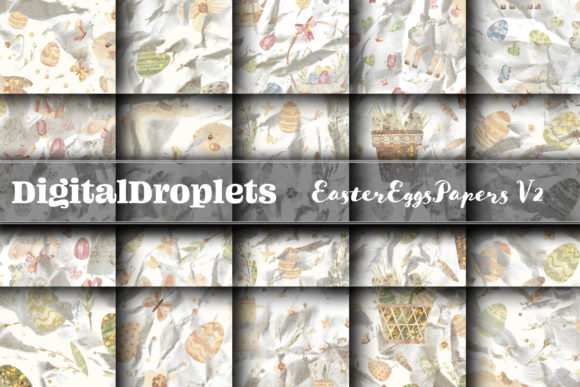
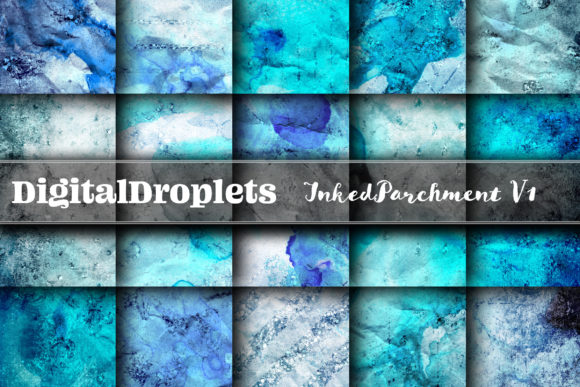
The Inked Parchment Vol. 1 | Collection presents a distinct visual language that stands apart from standard digital papers. This isn't a uniform, flat texture. Instead, you get the organic, tactile feel of crinkled parchment combined with the vibrant, flowing artistry of watercolor and alcohol ink. Each of the 20 unique papers in this 12×12 set features a different background, overlaid with subtle to pronounced glitter patterns. The result is a collection that feels both artisanal and luxurious. It carries a sense of handcrafted elegance, with each page telling its own story through the interplay of texture, color, and light-catching sparkle.
As a creative asset, this collection's personality is versatile yet consistent. It can evoke a sense of vintage romance, modern whimsy, or rustic sophistication depending on the specific paper chosen. The visual weight and inherent detail of the Inked Parchment Vol. 1 | Collection make it an excellent choice for projects where you want the background to contribute to the narrative, not just fill space. It provides a rich, complex canvas that can elevate simple designs and add depth to more elaborate compositions.
Practical Applications Across Creative Projects
The true value of a design asset like the Inked Parchment Vol. 1 | Collection lies in its adaptability. For scrapbookers and junk journal enthusiasts, these papers are ideal backgrounds that add instant character and a vintage feel to layouts. The textured surface helps blend photos and ephemera seamlessly. For card makers, a single sheet can be trimmed to create stunning, textured card bases, washi tape strips, or die-cut shapes and tags. The glitter overlay ensures a touch of sophistication without additional embellishment.
For designers and entrepreneurs, the applications extend into professional realms. These papers can serve as compelling backgrounds for social media graphics, adding a tangible quality that digital designs often lack. In packaging design, they can inspire sleeve patterns or box liners for artisanal products. For bloggers and content creators, they make beautiful, unique backgrounds for flat-lay photography or styled brand imagery. When used in logo design or brand identity projects, elements derived from this collection can lend a handcrafted, authentic feel to a brand's visual system. The key is to consider the mood: the Inked Parchment Vol. 1 | Collection works best where warmth, texture, and a touch of artisanal luxury are desired.
Integrating Texture into Your Design Workflow
When incorporating textured assets like the Inked Parchment Vol. 1 | Collection into your work, a few practical considerations ensure success. First, evaluate the project's needs. Is the background meant to be a quiet supporting actor or a bold statement? The collection includes various patterns and color intensities, so choose accordingly. A subtle, muted paper might work beautifully behind a detailed infographic, while a vibrant, heavily textured page could be the centerpiece of a poster or wall art print.
Second, think about typography and hierarchy. When placing text over these richly detailed backgrounds, readability is paramount. Opt for clean, bold sans-serif fonts or sturdy serif fonts with good weight. Adding a slight drop shadow, a semi-transparent shape behind the text, or choosing a less busy area of the paper can ensure your message isn't lost. This is where thoughtful font pairing becomes essential—contrasting the organic texture of the background with a clean, modern typeface often creates a balanced and professional look.
Finally, remember the practicalities of digital file usage. These are high-resolution 300dpi JPEG files, making them suitable for both digital projects and print. Always check the specific licensing for the Inked Parchment Vol. 1 | Collection to understand its terms for commercial use, especially if you're creating products for sale like printed invitations, planners, or merchandise. Testing a paper in a small section of your project before committing to a full design can save time and help you fine-tune opacity, blending modes, and color adjustments to achieve the perfect final result.